

The unexpected ingredient
If you’ve ever wondered why we say “salt” and “ice pop” in the same breath, this one’s for you.
Where Pink Salt Comes From
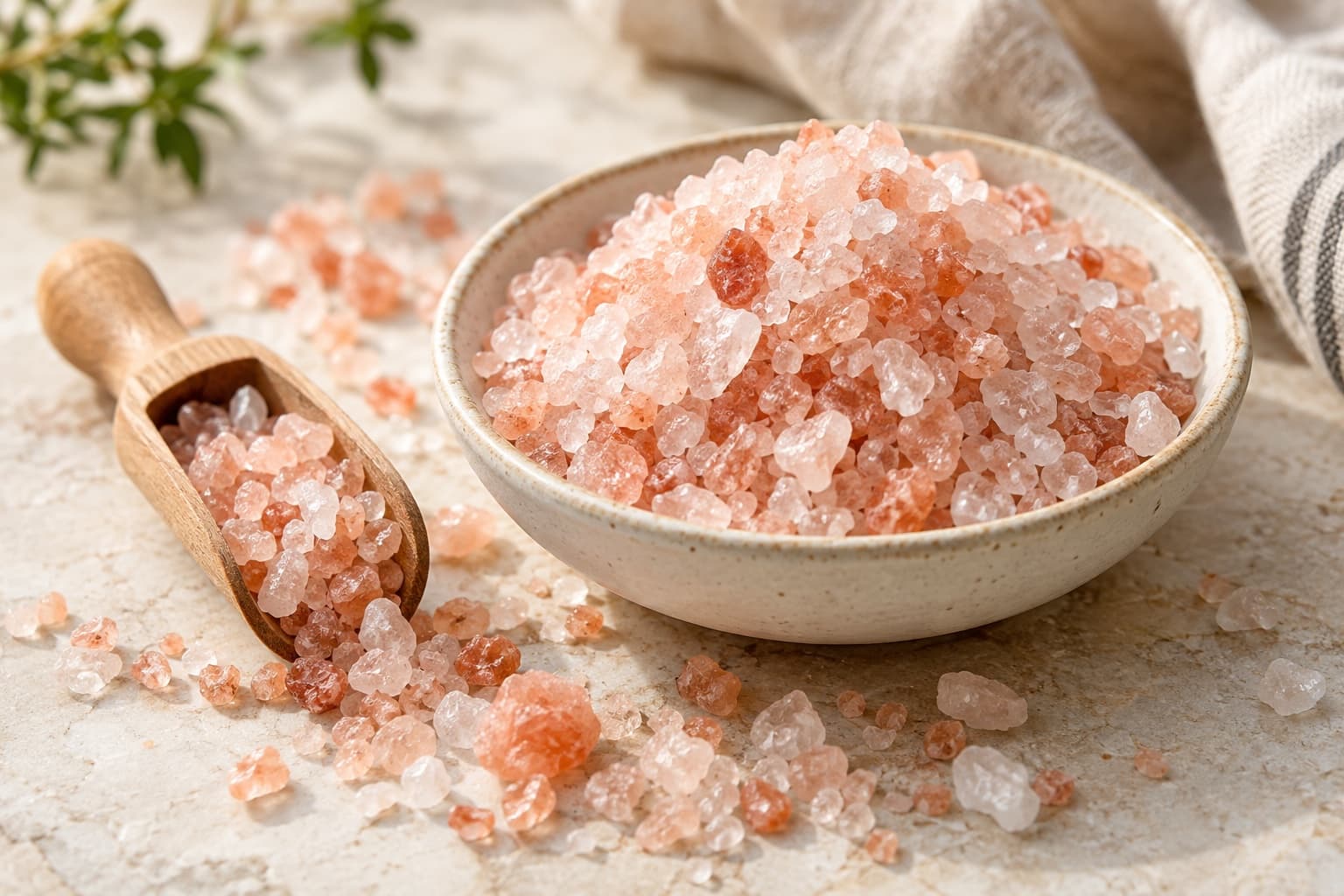
Pink Himalayan salt is older than almost anything else in your kitchen. Hundreds of millions of years ago, ancient seas evaporated and left thick layers of salt behind. Over time, those layers were buried and preserved deep underground, eventually becoming the rosy crystalline deposits we know today.
Most of it comes from the Khewra Salt Mine in Pakistan’s Punjab region, one of the largest salt mines in the world. Despite the name, it isn’t mined in the Himalayas themselves. The mine sits in the Salt Range, a ridge south of the Himalayan mountains, which is how the salt picked up its famous name.
Local legend credits Alexander the Great’s army with finding it around 326 BC, when their horses supposedly started licking the rocks. That story is more folklore than documented history, but it’s a good one. What we do know is that the salt has been mined for centuries, and mining became more organized under British rule in the 1800s.
The color comes from trace minerals, mainly iron oxide, which give the crystals shades from pale blush to deep rose. Pink salt showed up in Western kitchens and specialty shops in the late 20th century and took off as chefs and home cooks fell for its look and its crunchy, mineral-rich finish.
Okay, But Why Salt in a Popsicle?
Salt in a frozen treat sounds backwards, but it’s one of the oldest tricks in the dessert world. A tiny amount does three useful things:
It makes sweet taste sweeter. Salt dials down bitterness and rounds out flavors, so fruit tastes more like itself. A strawberry pop with a pinch of salt tastes like a riper strawberry.
It adds depth. Think of salted caramel, or watermelon with a sprinkle of salt at a summer picnic. Salt gives sweet things a second dimension so they don’t taste flat or one-note.
It improves texture. Salt, like sugar, lowers the freezing point of water, which helps keep ice crystals smaller and the bite a little softer instead of rock-hard. Too much and your pop won’t freeze properly, which is why we use a pinch, not a spoonful.
Next time you’re in the shop, take one lick and you’ll see why a pinch of something ancient makes a very modern treat even better.
See you at the counter!